
How to Tell When Your Roof Has Reached the End of Its Lifespan
Every residential roof has a finite operational lifetime. While a sturdy roof reliably shields your home, family, and personal belongings from rain, wind, snow, and extreme heat, years of constant exposure to the elements inevitably take their toll. Recognizing the warning signs of an aging or failing roof before catastrophic leaks occur is essential for every homeowner. Deferring necessary repairs or ignoring red flags can lead to widespread water damage, compromised structural integrity, mold growth, and significantly higher replacement costs down the road.
Understanding when your overhead shelter is nearing the end of its useful service allows you to plan ahead financially and avoid emergency situations. By monitoring key indicators both inside and outside your home, you can determine whether simple maintenance will suffice or if complete replacement is necessary. In this article, you will discover the primary signs that indicate your roof has reached the end of its lifespan, allowing you to protect your property investment before minor issues escalate into major disasters.
Tracking the Age and Natural Longevity of Your Roofing System
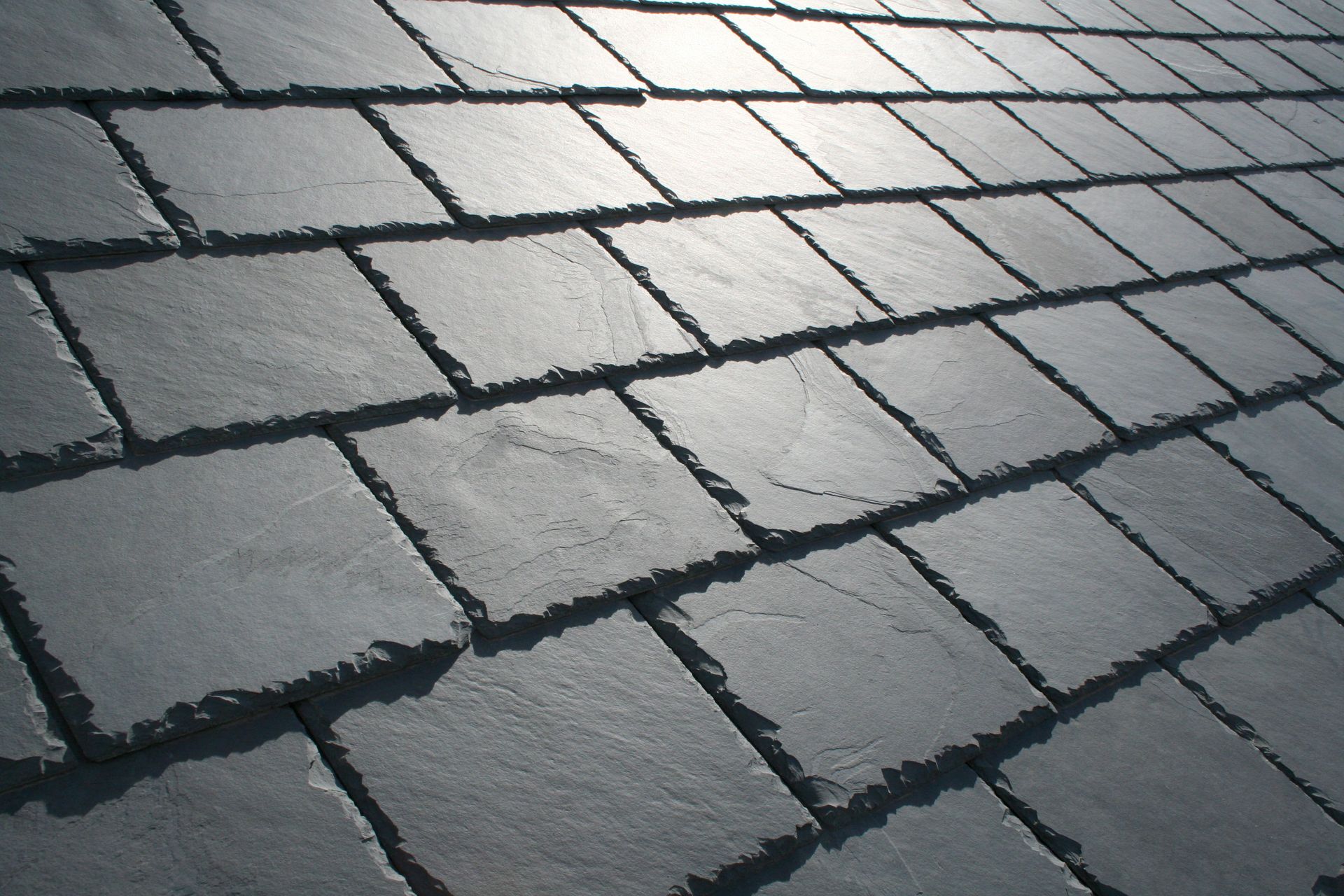
One of the most reliable indicators that your roof requires full replacement is simple chronology. Every roofing material possesses an expected lifespan determined by manufacturing standards, environmental factors, and installation quality. Based on our experience, traditional three-tab asphalt shingles generally last between 15 and 20 years, whereas higher-grade architectural asphalt shingles can endure for 25 to 30 years. Alternative materials like standing-seam metal, slate, and tile offer significantly longer service lives, ranging from 40 to over 70 years, but they too eventually succumb to wear.
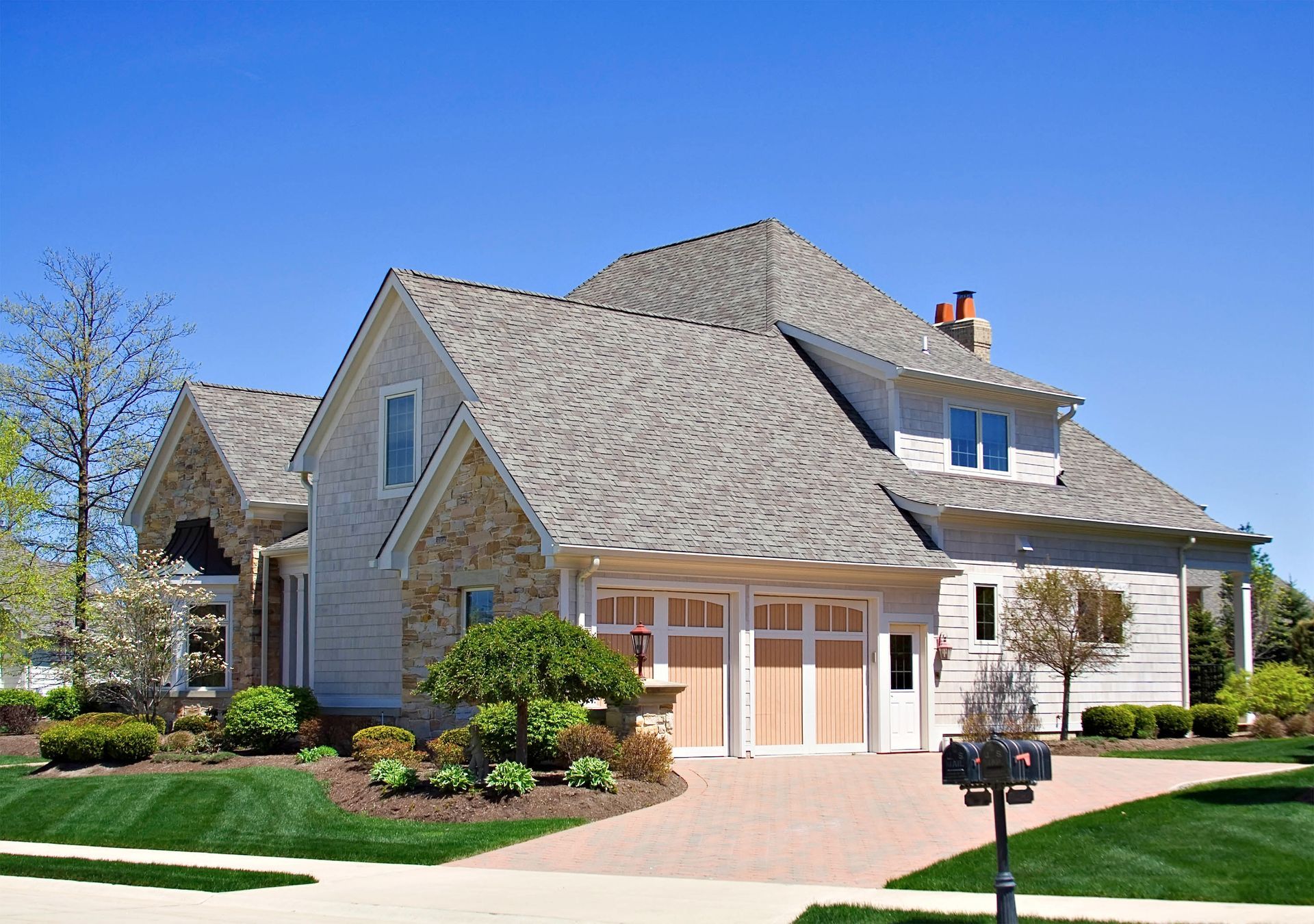
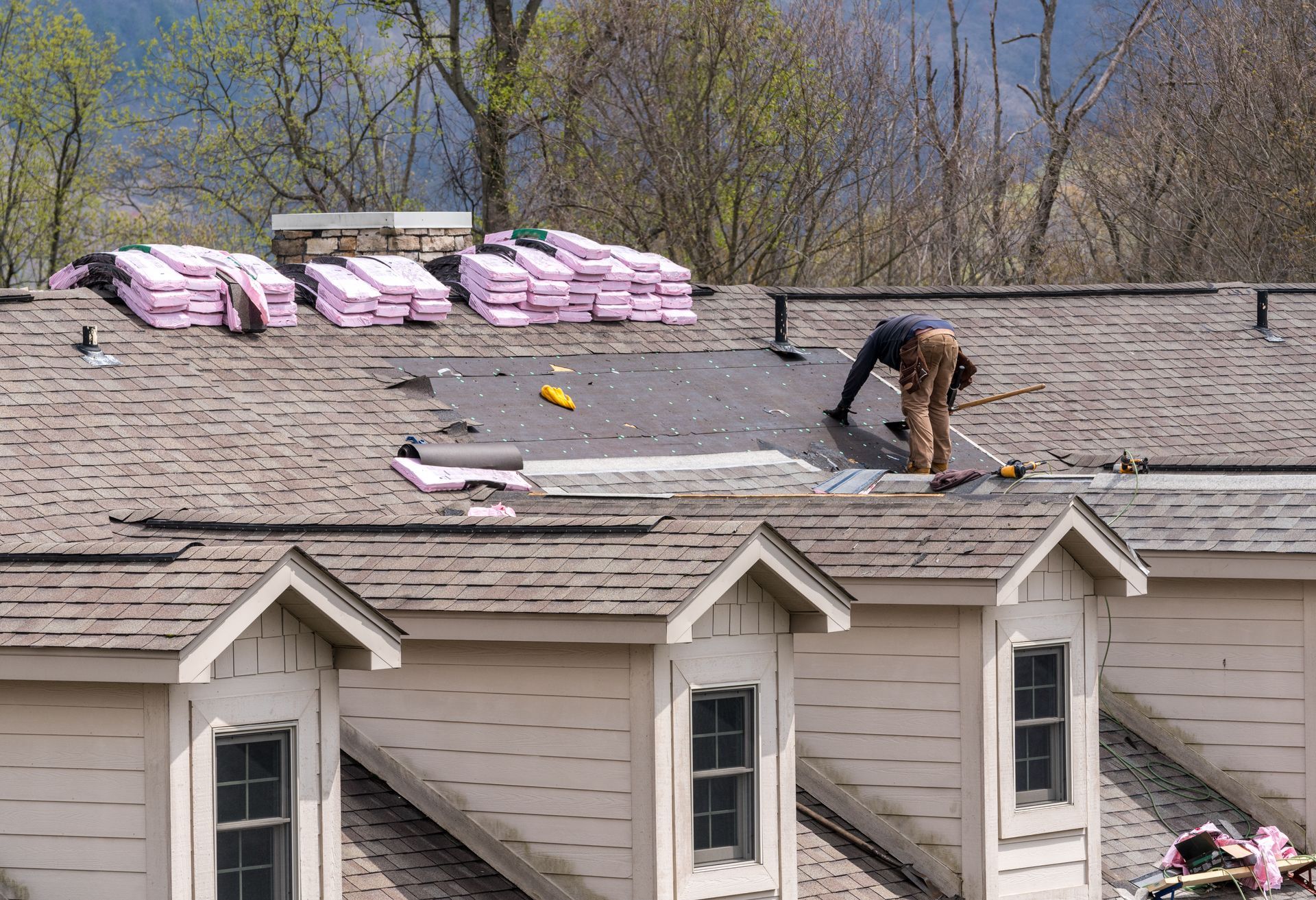
If your home’s roof was installed over two decades ago and is composed of standard asphalt shingles, it is likely approaching or already past its intended operational timeframe. Even if the surface appears relatively intact from a distance, the underlying materials, underlayment, and adhesives degrade continuously over time. When your structure reaches this mature age, scheduling a comprehensive assessment with a local roofing service is the smartest proactive step to evaluate its true remaining integrity.
Identifying Visual Signs of Granule Loss and Shingle Decay
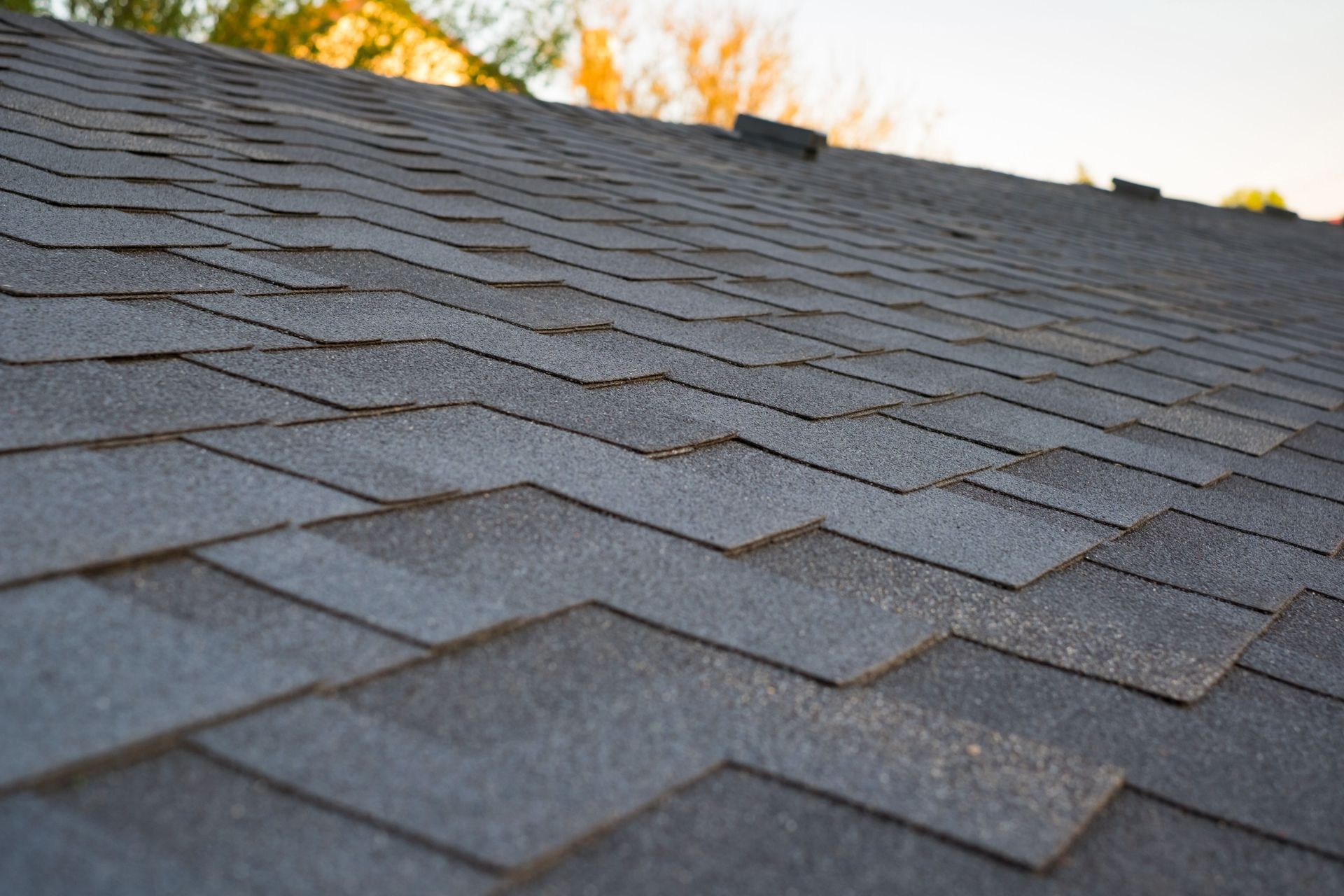
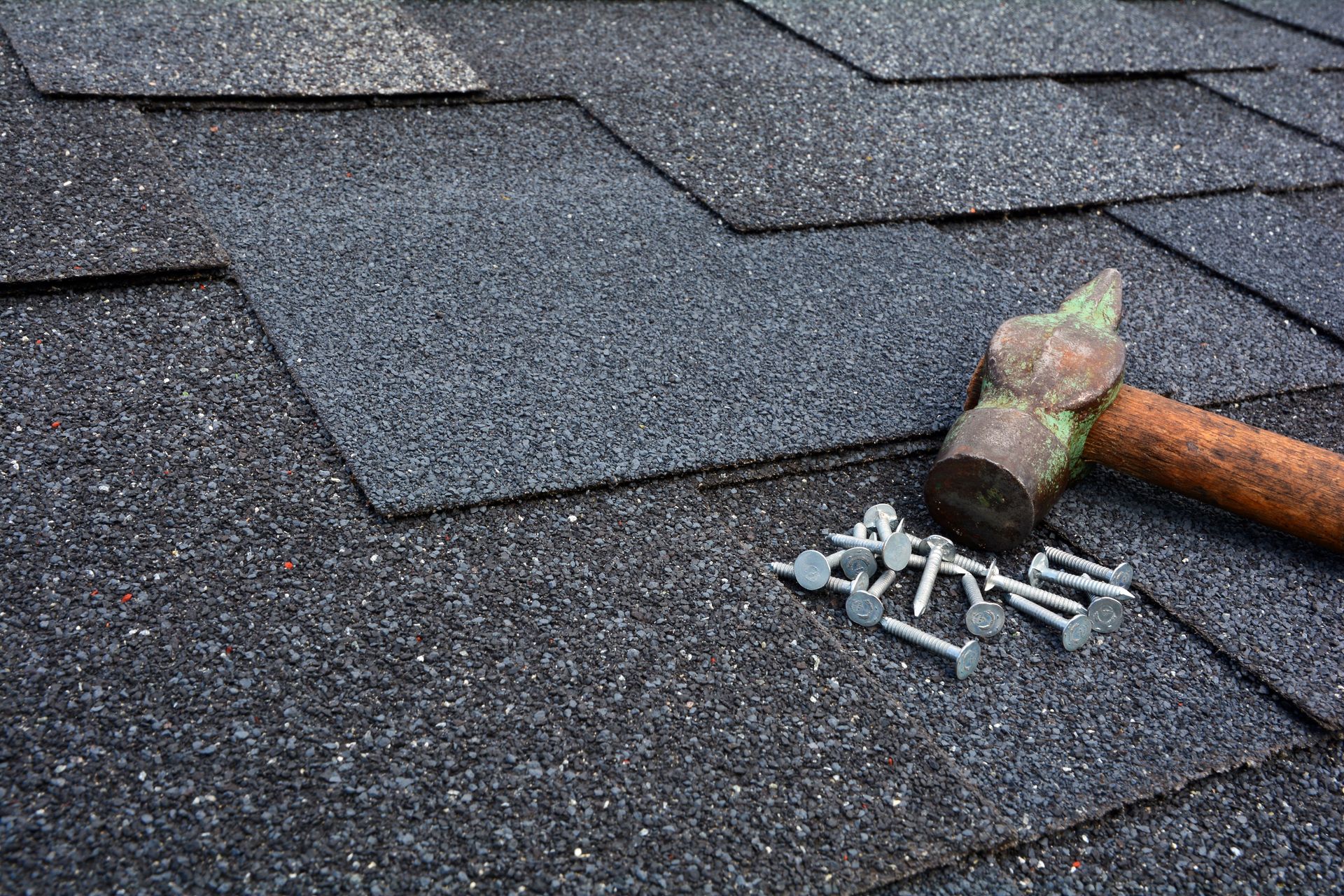
As asphalt shingles age, they gradually lose their protective coating. Asphalt shingles are covered with crushed stone granules designed to protect the underlying asphalt layer from damaging ultraviolet (UV) radiation, high heat, and physical weathering. Over time, heat expansion, freezing temperatures, and rainfall wash these granules away into your gutter system.
When inspecting your home, check your gutters, downspouts, and perimeter landscaping for accumulated heavy sand or tiny stone particles. Significant granule loss leaves the underlying asphalt backing exposed directly to sunlight, causing the shingles to dry out, crack, curl upward at the edges, or cup in the middle. Cupping or curling shingles are extremely vulnerable to wind uplift and tear off easily during routine weather events. When a substantial portion of your shingles exhibits widespread curling or bald spots, calling a local roofing service to discuss replacement options is strongly recommended.
Spotting Structural Drooping and Sagging Along the Roofline
A healthy roofline should appear straight, rigid, and uniform across all planes of your home. If you step back across the street and notice dips, swoops, or visible sagging along the ridge line or flat sections of your roof, you are observing a serious structural concern that demands immediate attention.
Sagging typically indicates that trapped moisture has penetrated beneath the shingles and compromised the underlying decking, rafters, or structural trusses. Prolonged water exposure causes wood sheathing to rot, weaken, and warp under the weight of the roofing materials. Structural sagging is rarely a localized issue that can be fixed with a simple patch; it usually signifies systemic failure. In such scenarios, consulting a certified local roofing service immediately is critical to prevent total deck collapse and secure the structural integrity of your home.
Detecting Widespread Water Stains and Active Interior Leaks
Interior water damage is often the first obvious sign a homeowner notices when a roof has failed. Water stains on upper-story ceilings, discolored streaks running down drywall, peeling paint near ceiling junctions, or damp spots in the attic all indicate that your exterior barrier has been breached.
While a single leak caused by a blown-off shingle can often be repaired, recurring or widespread water intrusion across multiple rooms indicates that the underlayment and barrier layers have reached maximum degradation. Water often travels along roof rafters before dripping onto ceilings, meaning the visible interior stain may be far away from the actual point of exterior entry. To trace complex leaks and determine whether the system is salvageable or past its service life, hire an experienced local roofing service to conduct a detailed interior and exterior moisture survey.
Observing Damaged, Corroded, or Compromised Roof Flashing
Flashing consists of thin metal strips installed around roof joints, chimneys, skylights, dormers, and vent pipes to seal vulnerable seams against water penetration. Historically, flashing was sealed with roofing cement or tar, but modern installations utilize durable aluminum, galvanized steel, or copper flashing systems.
Over years of thermal expansion and contraction, metal flashing can rust, warp, separate from surrounding masonry, or crack. When flashing fails, water channels directly into the internal framework of your roof structure. If your roof features outdated tar patches, badly corroded metal, or loose seals at multiple critical junctions, patching may no longer offer long-term protection. A qualified local roofing service can evaluate whether flashing failure is isolated or indicative of widespread roof degradation that warrants a complete tear-off.
Recognizing Moss Growth and Algae Expansion Across Shingles
The presence of dark green moss, lichen, or black streaks on your shingles is more than just an aesthetic issue. Black streaks are usually caused by algae, which eats away at the limestone filler in asphalt shingles, while moss creates thick, sponge-like mats that hold trapped moisture against the roofing surface.
When moss thrives, its root-like structures lift the edges of shingles, allowing rainwater to seep underneath during heavy storms. In freezing climates, trapped water under moss-covered shingles freezes and expands, causing severe physical cracking and premature shingle detachment. While minor algae discoloration can be treated, heavy moss accumulation that has lifted and weakened shingles across large portions of the roof generally indicates that the protective surface has deteriorated beyond repair.
Evaluating the Cumulative Impact of Severe Storm Damage
Severe weather events, including hail, high wind gusts, heavy snow loads, and falling tree limbs, can severely shorten a roof’s expected lifespan. Hail impacts strip granules, crack shingle substrates, and break delicate seals, while high winds can strip entire sections of shingles off the roof deck, exposing the underlayment to torrential rains.
According to RubyHome, 33% of roofs are replaced due to storm damage. Even if a roof is only halfway through its anticipated years of service, a single severe hail storm or gale-force wind event can inflict irreparable harm across the entire system. Following any significant weather event, homeowners should inspect their property from the ground and consult a
local roofing service to perform a formal roof inspection and help navigate insurance claims if complete replacement is warranted.
If you suspect that your home's roof is nearing the end of its functional lifespan or has suffered irreparable storm damage, do not wait for the next heavy rainstorm to confirm your fears. Contact Phil's Main Roofing LLC today to schedule a thorough professional inspection and secure a safe, durable roof over your head.




Share On: