How Your Roof Protects More Than Just Your Home's Structure
A roof is often viewed as a protective covering that keeps rain, wind, and sunlight out of a home. However, its role extends far beyond shielding the structure from outdoor conditions. A properly maintained roof contributes to indoor comfort, energy efficiency, moisture control, and the protection of personal belongings. It also plays an important part in maintaining the overall condition and value of a property.
Understanding these benefits helps homeowners recognize why roofing maintenance and timely repairs deserve attention. Even minor roofing problems can affect other areas of a home when they are left unaddressed. Working with experienced roofing companies can help homeowners identify potential concerns, maintain dependable protection, and make informed decisions about their roofing systems. A roof is an important investment, and its condition can influence nearly every part of daily life inside a home.
Protecting Indoor Air Quality and Moisture Levels
A properly functioning roof helps prevent rainwater and outdoor moisture from entering the home. When shingles, flashing, or other roofing components become damaged, water can find its way beneath the roofing surface and into the underlying materials. Over time, unwanted moisture can contribute to mold growth, wood deterioration, and damage to insulation. These problems may affect more than the roof itself.
Moisture inside a home can also influence indoor air quality. Mold and mildew may develop in damp areas, particularly when leaks remain unnoticed. Persistent moisture can create unpleasant odors and contribute to an uncomfortable indoor environment.
Homeowners should pay attention to warning signs such as water stains, peeling paint, damp ceilings, and musty odors. These symptoms do not always indicate a roof leak, but they deserve investigation. Professional roofing companies can inspect the roof and help determine whether damaged materials or drainage issues are allowing moisture to enter.
Preventing water intrusion is often easier than repairing extensive interior damage. Regular inspections and timely maintenance help preserve the roofing system while protecting the living environment beneath it.
Maintaining Comfortable Indoor Temperatures
A roof plays an important role in regulating indoor temperatures. It helps shield the home from direct sunlight and outdoor temperature changes, reducing the amount of heat that enters the living space. When roofing materials are damaged, or ventilation is inadequate, the home's ability to maintain comfortable temperatures may be affected.
Insulation and ventilation work alongside the roofing system to support indoor comfort. Proper attic ventilation allows accumulated heat and moisture to escape, while insulation helps reduce unwanted heat transfer. When these elements function together, homeowners may experience more consistent indoor temperatures throughout changing weather conditions.
According to RubyHome, approximately five million roofs are installed annually across the U.S. This reflects the ongoing importance of roofing work in maintaining and improving residential properties.
A roof that allows excessive heat buildup can also place additional demands on heating and cooling equipment. Addressing ventilation problems, damaged materials, and insulation concerns can help create a more comfortable home while supporting the efficiency of household systems.
Safeguarding Personal Belongings and Interior Spaces
A roof protects more than walls and structural materials. It also helps safeguard furniture, electronics, clothing, decorations, and other personal belongings from water damage. When rainwater enters through a compromised roof, it can spread through ceilings and walls before becoming noticeable. By the time visible damage appears, belongings and interior finishes may already be affected.
Water exposure can be particularly damaging to electronics, upholstered furniture, wooden furnishings, and important household documents. Even when items are not directly exposed to a leak, elevated moisture levels can affect materials and create conditions for mold growth. Maintaining the roof helps reduce the risk of these unexpected losses.
Homeowners should also understand that water does not always travel directly downward from the original entry point. Moisture may move along roof decking, framing, and other building materials before appearing inside the home. This can make identifying the source of a leak more complicated than simply looking above a visible ceiling stain.
Professional roofing companies can evaluate damaged areas, inspect surrounding components, and recommend appropriate repairs. Taking action when early warning signs appear can help prevent a manageable roofing concern from becoming a larger interior restoration project.
Preserving Structural Integrity and Long-Term Stability
The roof is an essential part of a home's protective envelope. It works with the underlying framing, decking, and exterior walls to help protect the structure from environmental exposure. When roofing materials deteriorate, moisture and other outdoor elements may reach components that are not designed to withstand prolonged exposure.
Repeated water intrusion can weaken wooden materials, damage roof decking, and contribute to deterioration around vulnerable areas. Flashing, valleys, roof penetrations, and edges deserve particular attention because they can be susceptible to leaks when improperly installed or damaged.
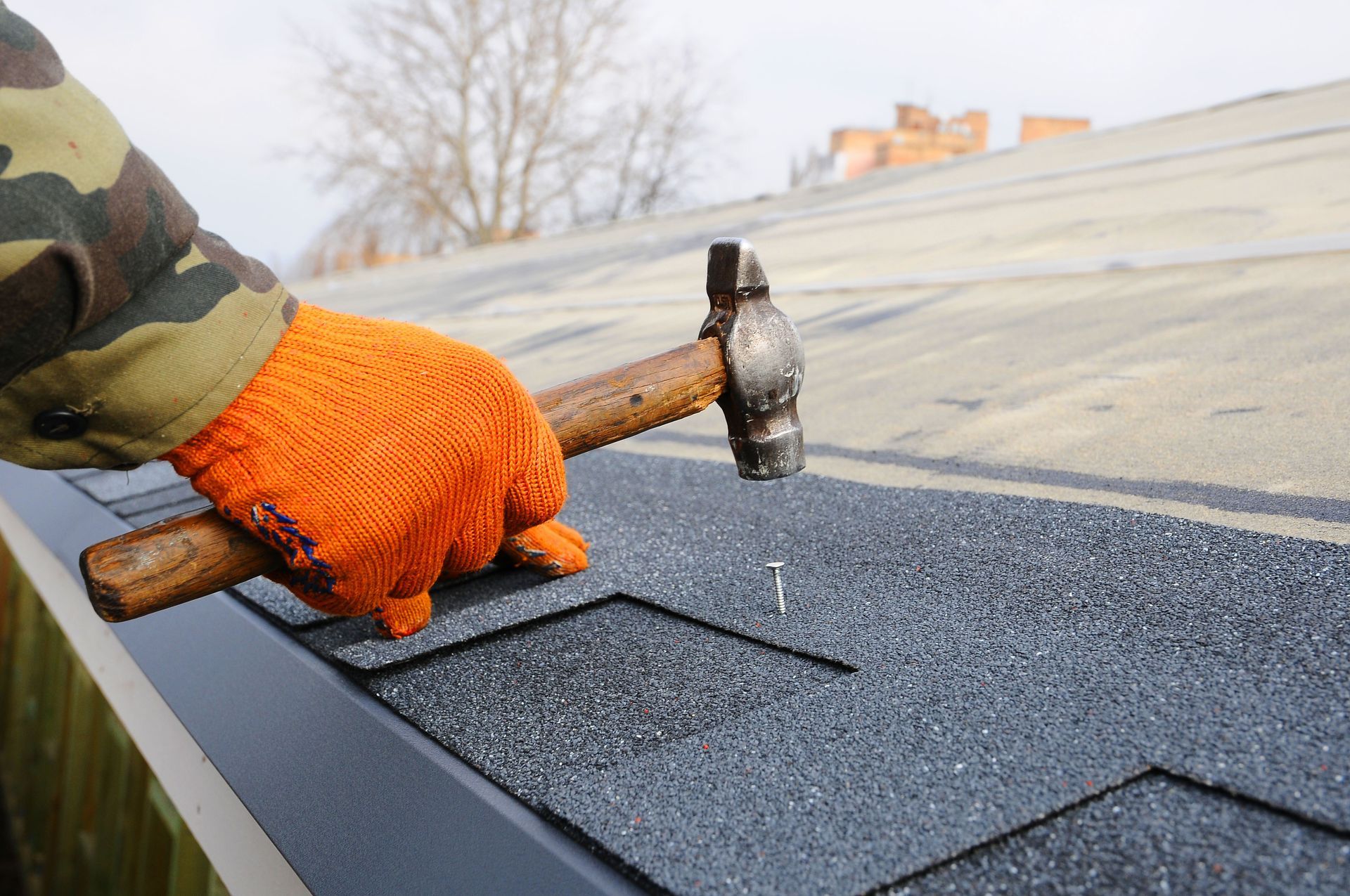
Severe weather can also expose existing weaknesses. Strong winds, heavy rainfall, and flying debris may damage shingles or loosen other roofing components. Even when damage is not immediately obvious, a professional inspection can help identify problems that could worsen with continued exposure.
Experienced roofing companies can assess the condition of roofing materials and determine whether repairs or replacement are appropriate.
Supporting Energy Efficiency and Property Value
A roof can influence how efficiently a home uses energy. Damaged materials, poor ventilation, and inadequate insulation may allow unwanted heat transfer, making indoor temperatures more difficult to regulate. As heating and cooling systems work harder to maintain comfortable conditions, household energy consumption may increase.
A well-maintained roofing system supports the performance of other energy-related components. Proper ventilation helps manage attic temperatures, while suitable insulation reduces heat movement between the attic and living areas. Reflective roofing materials may also help reduce heat absorption, depending on the home's design and local climate.
The roof's condition can influence how potential buyers view a property as well. Visible deterioration, missing shingles, and signs of previous leaks may raise concerns during a home inspection. A maintained roof can provide reassurance that an important part of the property has received appropriate attention.
Homeowners should keep records of inspections, repairs, and maintenance work. This documentation can help demonstrate that the roofing system has been cared for and provide useful information when future work becomes necessary. Roofing companies can also explain which improvements may offer practical benefits based on the existing roof's condition.
Preparing the Home for Changing Weather Conditions
A roof provides an important barrier against the elements throughout changing seasons. Rain, wind, intense sunlight, temperature fluctuations, and debris can gradually affect roofing materials. Maintaining the system helps ensure that it remains capable of protecting the home when outdoor conditions become less predictable.
Different roofing components may respond differently to environmental exposure. Shingles can become damaged or loosened, flashing may deteriorate, and sealants around roof penetrations can lose effectiveness. Gutters and drainage systems also contribute to roof protection by directing water away from vulnerable areas.
Homeowners can support roof performance by keeping gutters clear, monitoring visible damage, and scheduling professional inspections when concerns arise. After severe weather, an inspection may reveal damage that is difficult to identify from the ground. Walking on the roof without proper training or safety equipment should be avoided.
Choosing qualified roofing companies is important when repairs or maintenance are needed. A professional can evaluate the materials, identify vulnerable areas, and recommend solutions suited to the property's design and environmental conditions.
A roof protects the home, its occupants, personal belongings, and the systems that contribute to everyday comfort. From preventing moisture intrusion to supporting energy efficiency and structural stability, its importance reaches far beyond appearance. Homeowners who invest in routine maintenance and address problems promptly can better protect their properties over time. Contact Phil's Main Roofing LLC to discuss your roofing needs, schedule an inspection, and keep your home protected from the elements.



Share On: