
Why Small Roofing Problems Often Become Expensive Repairs
A roof rarely develops serious problems overnight. More often, expensive repairs begin with something easy to overlook, such as a loose shingle, a small leak, or damaged flashing. These issues might seem harmless when everything else looks normal, but even minor damage can gradually affect other parts of a home. Understanding how roofing problems develop helps homeowners recognize warning signs, make informed decisions, and avoid unnecessary repair expenses. Taking care of small concerns early is one of the simplest ways to protect a property's condition and long-term value.
Understanding the Importance of Protecting Roof Materials
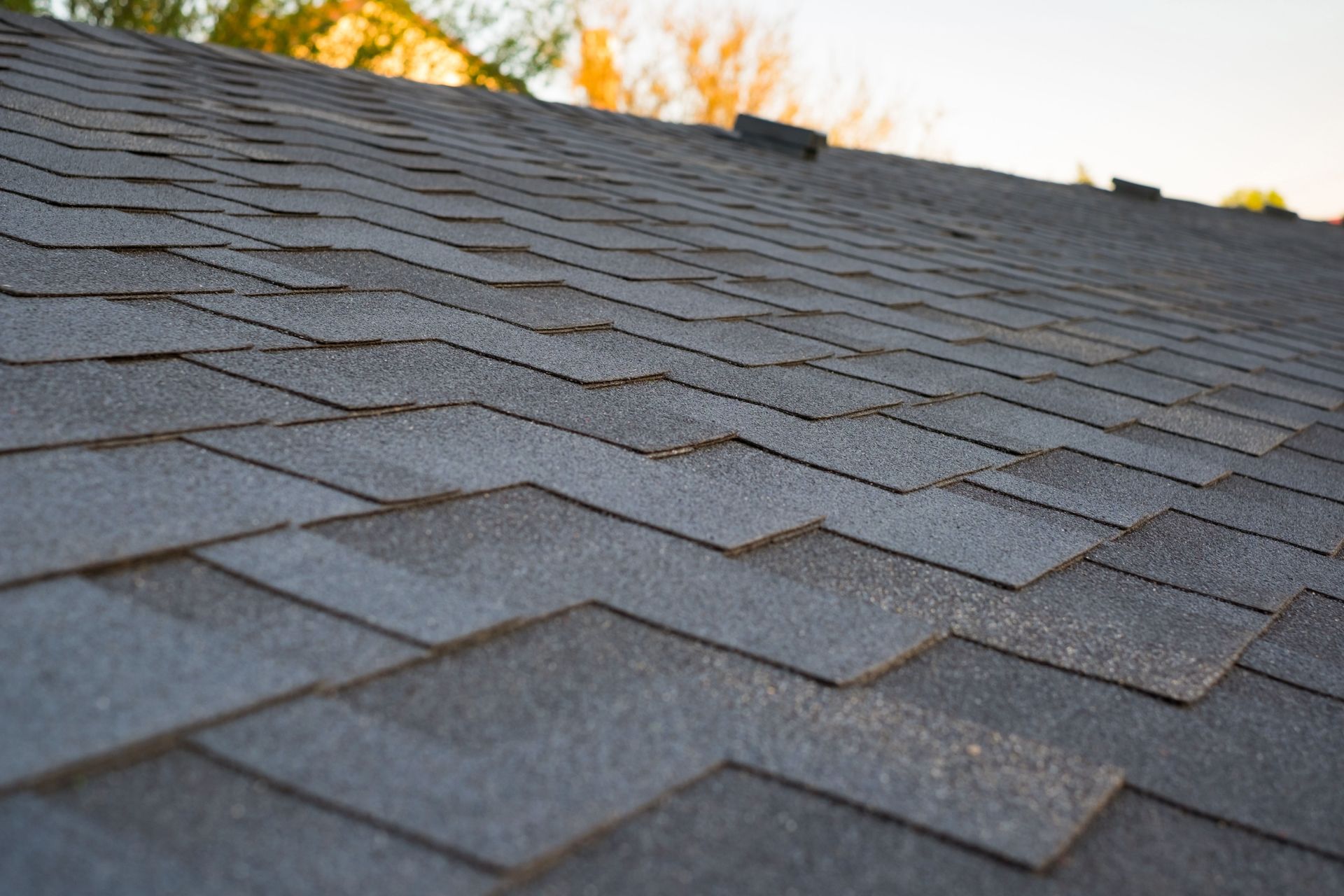
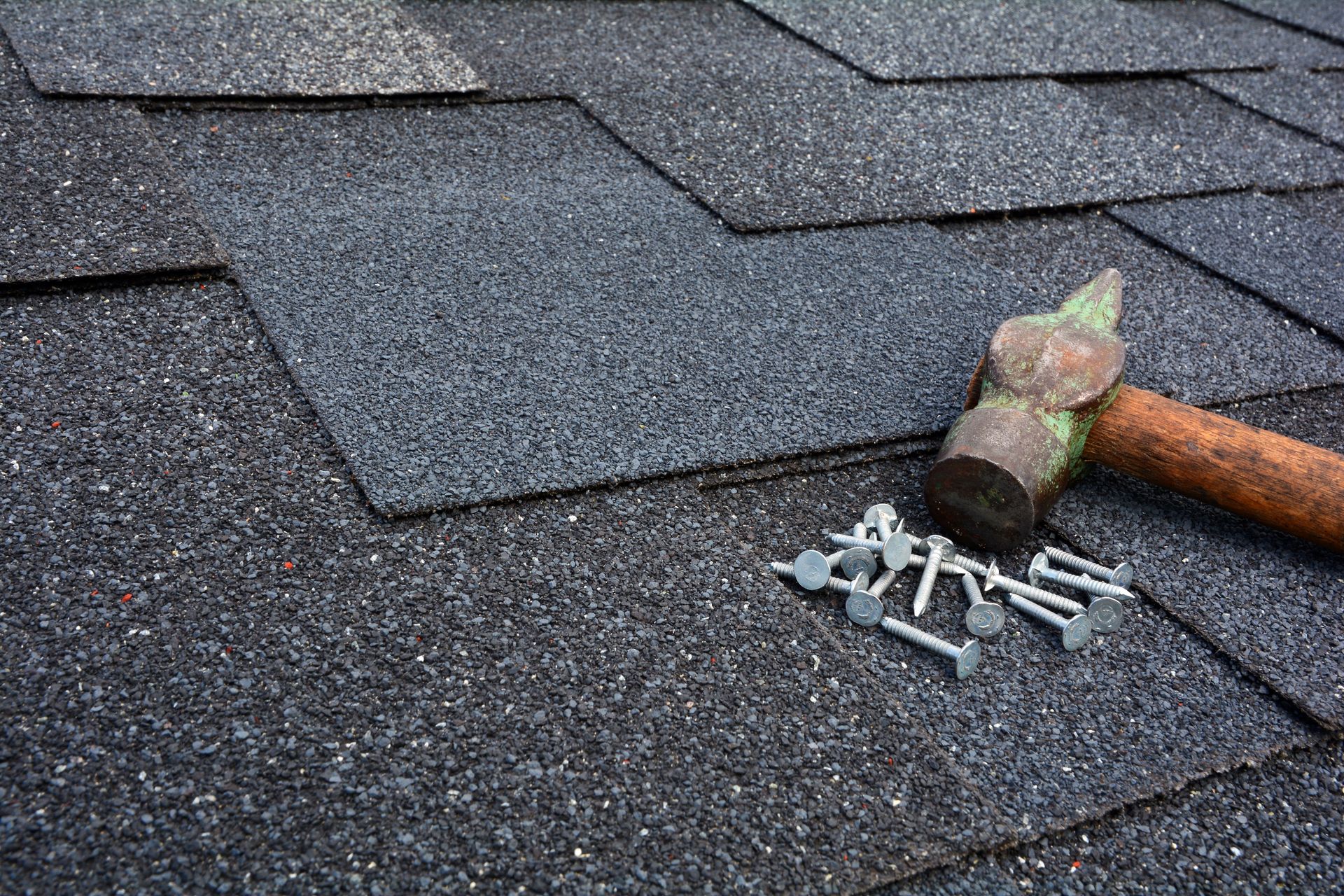
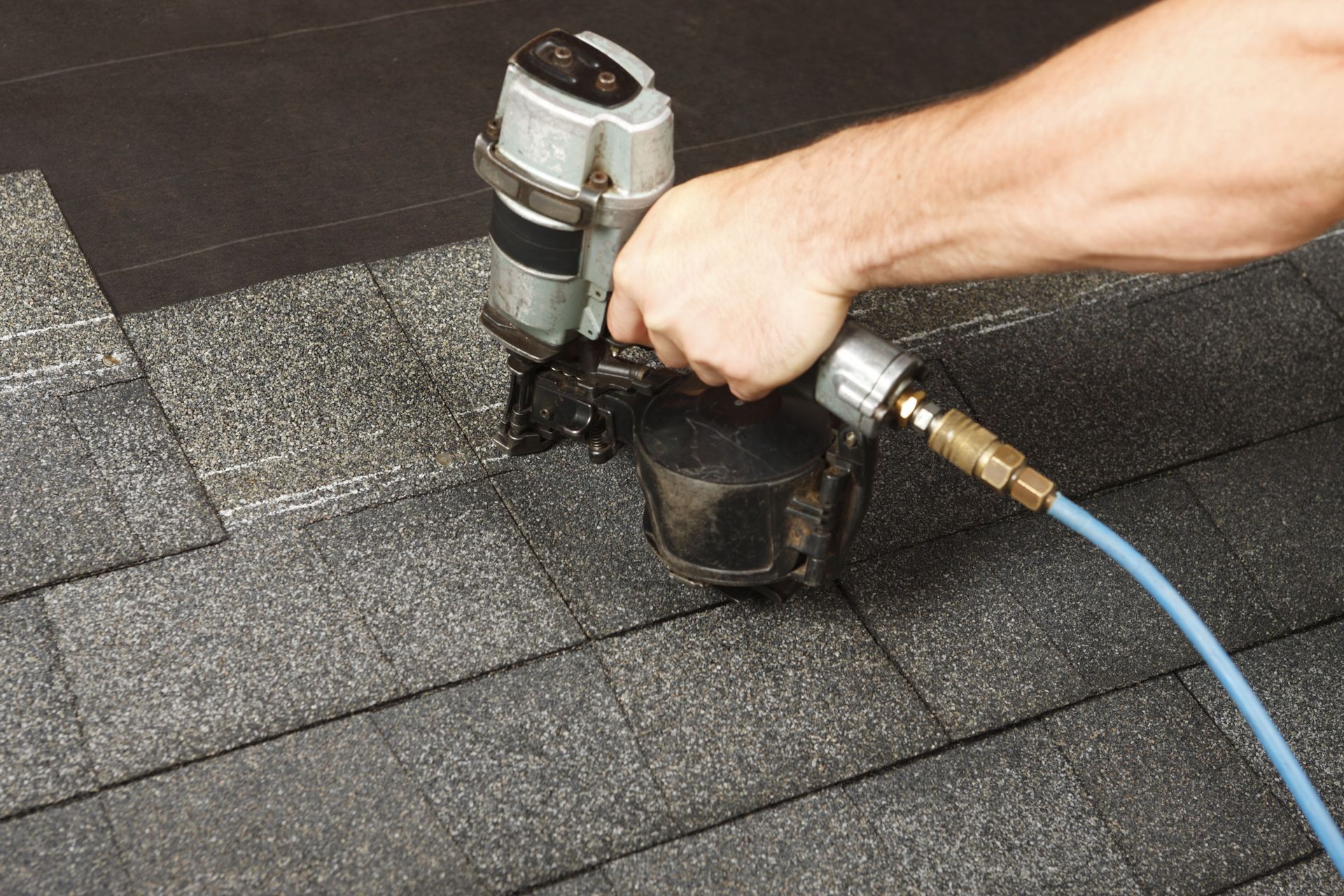
A roof works as a connected system, not simply a layer of shingles sitting above a house. Shingles, underlayment, flashing, ventilation, decking, and drainage all contribute to keeping water outside and maintaining a comfortable interior. When one part fails, nearby components can become exposed to moisture, temperature changes, or wind, so a small defect may affect more than the visible area. According to RubyHome, asphalt shingles are used in approximately 80% of roofing projects, making them a common choice for residential properties. Their popularity does not make them immune to wear, however; material quality, installation, weather exposure, and maintenance all influence how well a roof performs over time. Understanding these connections helps homeowners see why minor concerns deserve attention instead of assuming they can wait indefinitely.
Recognizing Early Signs of Deteriorating Roofing
Roof damage is not always easy to spot from the ground, but a few clues can signal that something needs closer attention. Missing shingles, curled edges, cracked surfaces, exposed nail heads, or piles of granules near downspouts may indicate that materials are wearing out or have been affected by wind and rain. Indoors, brown ceiling spots, peeling paint, damp insulation, or a persistent musty smell can point to moisture entering the home. These signs do not automatically mean a full replacement is necessary, yet ignoring them can give damage time to spread. A local roofing inspection can help determine whether the issue is isolated, what caused it, and which repair is appropriate. Homeowners can also keep a simple record of changes they notice, including the date, location, and any weather event that preceded them, which can make conversations with a contractor more productive.
Preventing Moisture From Spreading Throughout The Home
Water is one of the main reasons a modest roof repair can turn into a much larger project. A small opening may let rain slip beneath shingles and travel along decking or framing before it becomes visible as a ceiling stain. By the time water appears inside, it may have reached insulation, drywall, wood supports, or electrical components, adding labor and materials to the repair. Damp insulation can lose effectiveness, while prolonged moisture may encourage mold and weaken wood; those problems often require separate remediation. Calling local roofing contractors when a leak first appears can help locate the entry point and limit damage, rather than simply covering the interior symptom. If water is actively entering, homeowners should protect belongings, avoid wet electrical areas, and arrange prompt professional assessment instead of climbing onto a slippery roof.
Maintaining Gutters and Flashing for Better Protection
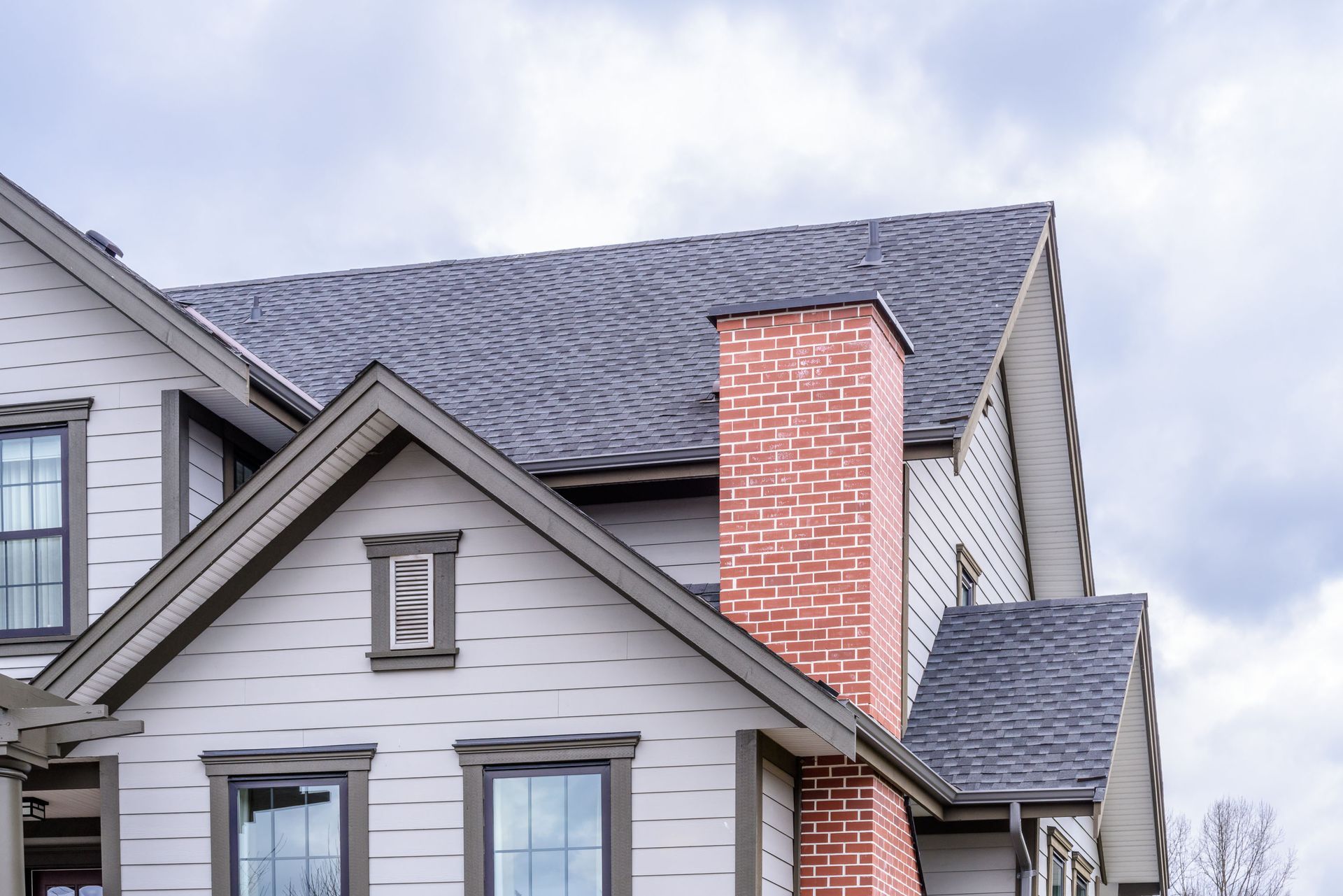
Gutters and flashing are easy to overlook because they are not always the most visible parts of a roof, but both have important jobs. Gutters collect runoff and direct it away from roof edges and the foundation, while flashing seals vulnerable transitions around chimneys, skylights, vents, walls, and valleys. Leaves, twigs, and shingle granules can block drainage, causing water to overflow against fascia boards or collect near the house. Loose, rusted, or poorly sealed flashing can create a direct path for rain to enter, even when shingles appear intact. A local roofing specialist can check these areas during maintenance and recommend targeted repairs before water affects surrounding materials. Keeping gutters clear, confirming that downspouts discharge away from the foundation, and watching for separated flashing are practical steps homeowners can take between inspections.
Responding to Weather Damage Before Conditions Worsen
Weather does not have to cause dramatic damage to create a roofing concern. Strong winds can lift shingle edges or loosen fasteners, hail may bruise or crack surfaces, and heavy rain can test weak seams and drainage points. Sunlight and repeated temperature changes also contribute to gradual aging, making materials brittle or causing sealants to lose flexibility. After a storm, look for debris, displaced shingles, damaged gutters, or new interior stains from a safe vantage point, but do not walk on the roof to investigate. Professional assessment is especially useful when damage is subtle or the roof is steep. Contacting local roofing experts promptly after severe weather can clarify whether repairs are needed, support documentation for an insurance claim, and reduce the chance that the next rainfall exposes the same weakness. Even a quick check of attic access points or ceilings after rainfall may reveal changes worth mentioning during an appointment with local roofing professionals, helping them focus their assessment and explain next steps.
Comparing Repair Costs With Delayed Replacement Expenses
The cost difference between fixing a small defect and repairing its consequences can be significant. Replacing a few shingles or resealing a flashing connection may be relatively contained, while a long-standing leak can involve roof decking, insulation, drywall, paint, and possibly framing. Delays may also lead to emergency service charges or make scheduling more difficult during busy periods, and material prices can change over time. Homeowners should request a clear estimate that identifies the problem, the proposed work, and any areas that may need further evaluation once damaged materials are opened. A local roofing professional can explain whether a repair is sufficient or whether broader work is justified, helping owners compare options without guessing. Asking about timelines, cleanup, and workmanship coverage can prevent confusion, while a local roofing estimate should separate urgent repairs from optional improvements before work begins on site. Keeping inspection reports, photographs, invoices, and warranty information organized can also make future maintenance and insurance conversations easier.
Scheduling Regular Inspections for Lasting Roof Performance
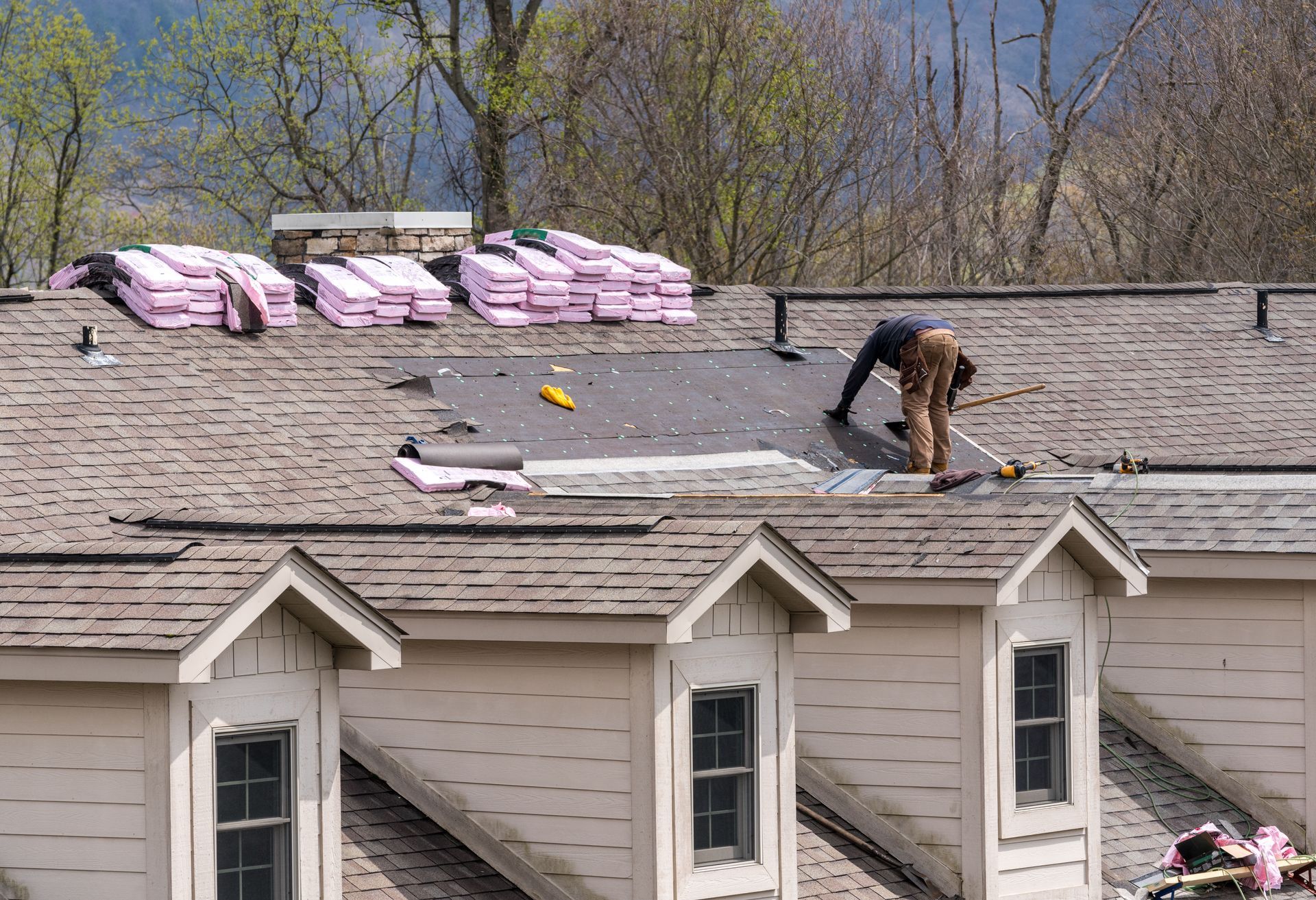
Routine inspections give homeowners a chance to catch deterioration while it is still manageable. A professional can evaluate shingles, flashing, drainage, ventilation, and visible roof structure, including areas that are difficult to assess from the yard. Many owners choose periodic checks and additional inspections after significant storms, especially as a roof approaches the later part of its expected service life. Maintenance between visits matters too: clean gutters, trim branches that scrape or overhang the roof, and watch ceilings and attic spaces for signs of moisture. Consistent attention does not guarantee that a roof will never need repairs, but it can make problems easier to identify and budgets easier to plan. Working with local roofing professionals who explain their findings and prioritize recommendations gives homeowners a practical path toward protecting the roof without automatically assuming every concern requires replacement.
Small roofing problems become expensive when they remain unresolved long enough to affect other parts of the home. A loose shingle, blocked gutter, or failing flashing section may begin as a limited repair, but water and weather can turn that defect into interior damage, insulation problems, or structural deterioration. The most useful approach is straightforward: notice changes, arrange an inspection when something looks wrong, and address the underlying cause rather than only the visible symptom. Homeowners do not need to diagnose every issue themselves, and roof access should be left to trained professionals because falls and unstable materials present serious risks. With timely maintenance and clear repair guidance, it is often possible to protect a roof’s performance and avoid preventable expenses. When you have a roofing concern or want to schedule an evaluation, contact Phil's Main Roofing LLC to discuss your roof and the repair options available.





Share On: